Source Waterproof Plastic Motorcycle Rear Fender for Scooters, Dirt Bikes, and Street Riders
Find and compare 30 waterproof plastic motorcycle rear fender options from verified Chinese manufacturers. Evaluate ABS and plastic materials, universal fitments, and customization services to select the best baffle for your specific vehicle needs.
Key considerations
Products List


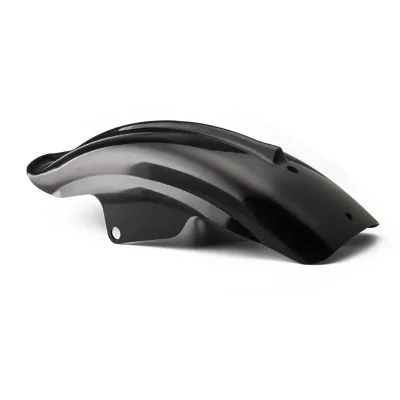
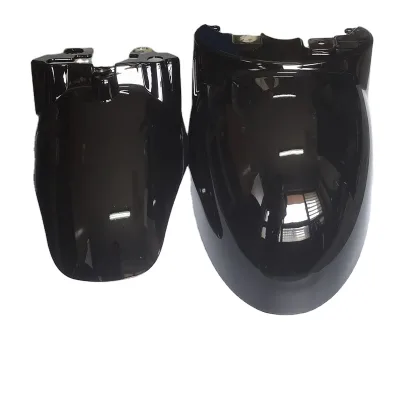
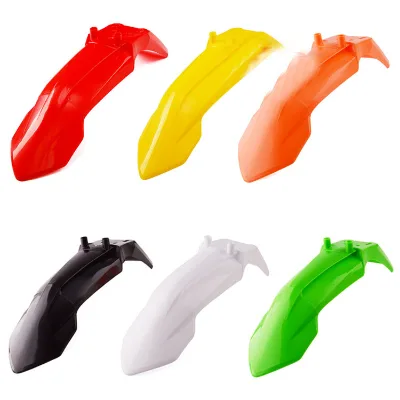
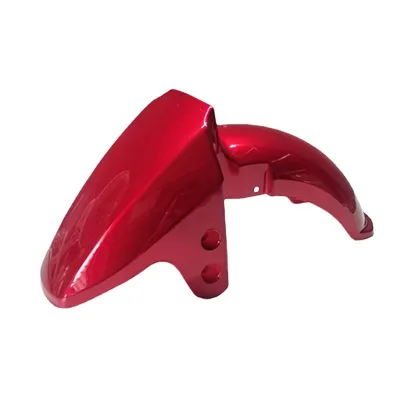
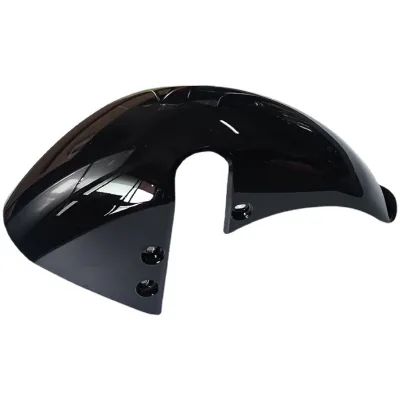
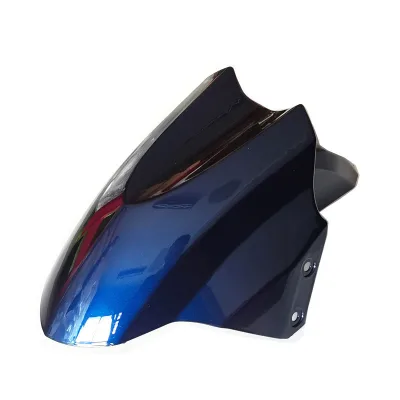
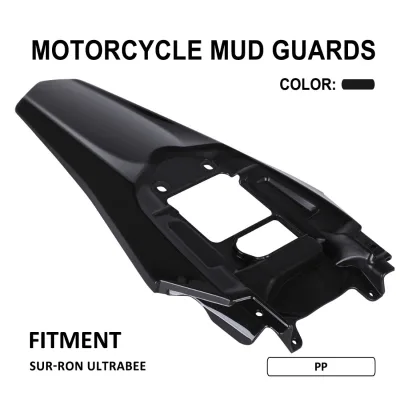
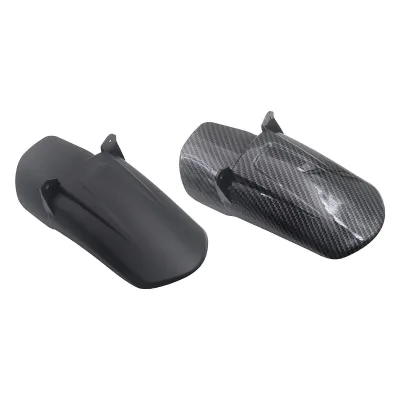
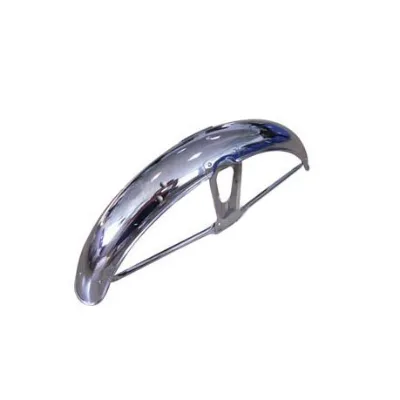


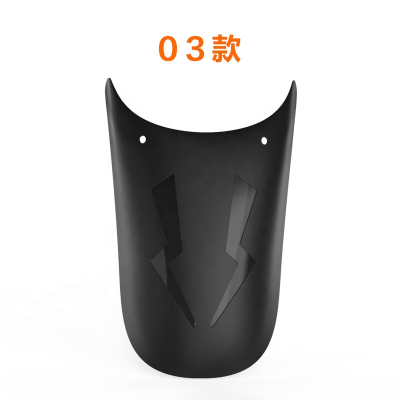
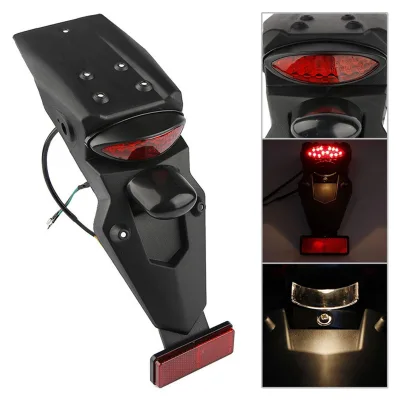


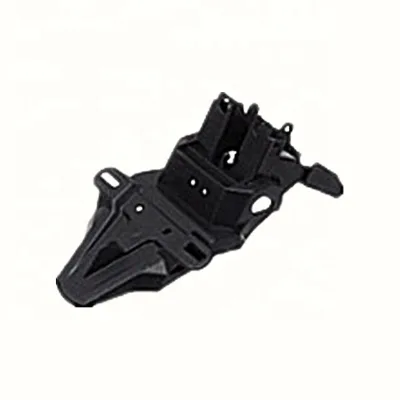
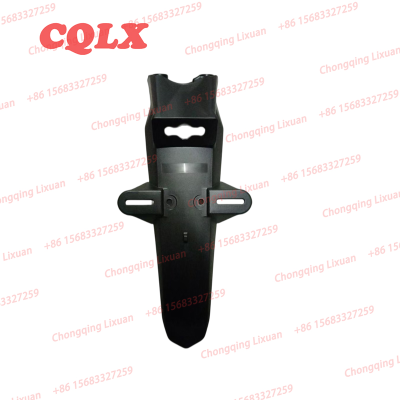
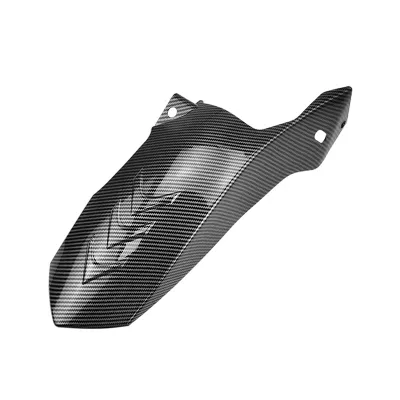


Comprehensive Sourcing Guide
Waterproof Plastic Motorcycle Rear Fender Sourcing Guide
Sourcing a waterproof plastic motorcycle rear fender requires a disciplined approach to material selection, fitment verification, and supplier qualification. The rear fender serves as a critical protective component, shielding the rider and mechanical components from water, mud, and debris kicked up by the rear tire. In the B2B procurement landscape, these parts are frequently categorized under general fenders but often carry specific designations for dual-purpose or off-road applications where water resistance and durability are paramount. Buyers must navigate a market characterized by significant variation in material grades, mounting configurations, and customization capabilities.
This guide provides evidence-based procurement strategies for sourcing these components. It focuses on interpreting observed listing signals, verifying technical specifications, and establishing robust quality control protocols. By adhering to the structured verification steps outlined below, procurement teams can mitigate risks associated with poor fitment, premature material degradation, and non-compliant manufacturing practices. The objective is to transform raw product data into actionable sourcing intelligence that supports long-term supply chain stability.
Product Scope and Observed Listing Signals
The current market landscape for motorcycle rear fenders reveals a diverse range of product attributes, with plastic and ABS materials being the most prevalent choices for waterproof applications. Observed listings indicate that manufacturers often offer customization options, allowing buyers to tailor products to specific brand identities or functional requirements. For instance, some suppliers provide neutral packaging or custom branding, which is essential for private-label distributors and aftermarket retailers. The presence of "Available" customization attributes suggests that buyers should engage suppliers early in the negotiation process to define logo placement, color specifications, and packaging requirements.
Listing signals also highlight significant variability in product dimensions and mounting specifications. Data points show that fender sizes can range from compact units measuring approximately 51x11.5x10 cm to larger, more robust designs weighing up to 1 kg. Buyers must carefully cross-reference these dimensions with their target vehicle models, as fitment is not universal across all motorcycle types. Some listings specify compatibility with tire widths of 130-220 mm and various rim sizes, while others are designated for specific applications such as 150cc engines. Understanding these physical constraints is the first step in filtering potential suppliers and ensuring that the sourced components will integrate seamlessly with the end-product assembly.
Technical Specifications to Verify
Verifying the material composition and structural integrity of the fender is a critical technical step. While many listings cite ABS or general plastic materials, buyers must confirm the specific grade and thickness of the plastic to ensure adequate waterproofing and impact resistance. ABS is commonly preferred for its balance of durability and weight, but the presence of polished surfaces or carbon fiber styles indicates aesthetic variations that may not correlate with structural performance. Procurement teams should request material data sheets to verify that the plastic used meets the necessary standards for UV resistance and flexibility, preventing cracking or warping under prolonged exposure to environmental elements.
Fitment and mounting specifications require rigorous validation to avoid assembly issues. Buyers should verify the exact mounting hole patterns, bolt sizes, and clearance requirements against their motorcycle chassis or frame designs. Listings may mention compatibility with specific tire widths or rim diameters, but these claims must be validated against physical prototypes or detailed CAD drawings. Additionally, the position of the fender, whether rear or front, dictates its aerodynamic and protective function. For rear fenders, the design must effectively channel water away from the rider and the rear suspension components, which requires precise attention to the curvature and length of the fender relative to the tire's rotation path.
Compliance and Safety Documentation
Compliance with international quality management standards is a foundational requirement for reliable sourcing. Many observed suppliers hold ISO9001 certification, which indicates a standardized approach to quality control in manufacturing processes. Buyers should verify the validity of these certifications through independent databases or direct requests for audit reports. While ISO9001 does not guarantee the performance of a specific fender, it provides assurance that the supplier has consistent processes for material handling, production monitoring, and defect management. This level of documentation is particularly important for buyers operating in regulated markets where supply chain transparency is mandated.
Safety and regulatory compliance extend beyond quality management to include product-specific standards. Although specific safety certifications like CE were noted in background data, buyers must confirm whether the fender meets local roadworthiness regulations regarding visibility, reflectivity, and structural safety. In many jurisdictions, rear fenders must not obstruct the view of the license plate or rear lights, and they must be securely attached to prevent detachment during operation. Procurement teams should inquire about any third-party testing performed on the fender’s impact resistance and fastening strength, ensuring that the product does not pose a hazard to the rider or other road users.
Cost Drivers and Commercial Terms
Understanding the cost drivers associated with motorcycle rear fenders helps buyers negotiate favorable commercial terms. Key factors influencing price include the material type, customization level, and order volume. Listings show a wide range of Minimum Order Quantities (MOQs), from as low as 2 pieces for sample orders to 2000 pieces for bulk production. Buyers should align their order quantities with their inventory needs to leverage volume discounts, while being mindful that lower MOQs may come with higher per-unit costs. Additionally, customization features such as logo printing or specific packaging requirements can add to the unit price, so these should be factored into the total cost of ownership.
Lead times and payment terms are also significant commercial considerations. Observed delivery times typically range from 7 to 15 days, but this can vary based on production capacity and customization complexity. Buyers should establish clear agreements on lead times to manage inventory levels and avoid stockouts. Payment terms should be structured to balance risk, with options such as partial upfront payments and balance upon shipment being common. It is advisable to include clauses in the contract that address delays, quality failures, and return policies to protect against supply chain disruptions.
Supplier Qualification and Quality Control
Supplier qualification involves a thorough assessment of manufacturing capabilities and quality assurance processes. Buyers should prioritize suppliers who demonstrate a commitment to quality through consistent production standards and transparent communication. The presence of attributes such as "Best Quality" or "High Precision" in listings should be validated through site audits or third-party inspections. Suppliers should be able to provide detailed information about their production lines, including machinery used for molding and finishing, as well as their in-house testing procedures for material strength and waterproofing.
Quality control protocols must be established before production begins. Buyers should define clear acceptance criteria for dimensions, surface finish, and material integrity. Implementing a pre-production sample approval process is essential to ensure that the final product meets all specifications. During mass production, random sampling and statistical process control can help identify defects early. Additionally, buyers should require suppliers to provide inspection reports and certificates of conformity with each shipment, ensuring that every batch meets the agreed-upon quality standards.
Long-Term Procurement Checks
Long-term procurement success depends on continuous monitoring of supplier performance and product reliability. Buyers should establish key performance indicators (KPIs) such as on-time delivery rates, defect rates, and responsiveness to issues. Regular reviews of these metrics can help identify potential problems before they escalate into major supply chain disruptions. Furthermore, maintaining open communication channels with suppliers allows for collaborative problem-solving and continuous improvement in product design and manufacturing processes.
Product lifecycle management is also crucial for long-term sourcing strategies. As motorcycle models evolve, fender designs may need to be updated to accommodate new chassis configurations or aesthetic trends. Buyers should work with suppliers to plan for product updates and discontinuations, ensuring a smooth transition to new components. Additionally, staying informed about changes in material regulations and environmental standards can help buyers anticipate future compliance requirements and adjust their sourcing strategies accordingly. By proactively managing these aspects, buyers can build a resilient and efficient supply chain for motorcycle rear fenders.
FAQs
What materials are used for these fenders?
The fenders are manufactured from high-quality ABS plastic and general plastic materials. These materials provide durability and resistance to environmental factors. The specific material choice ensures the product meets the best quality standards required for motorcycle applications. Buyers can select based on specific durability needs.
Can I customize the logo on the fender?
Yes, logo customization is available for these products. Suppliers accept logo customization requests to meet specific branding requirements. This service allows buyers to personalize the fenders for their brand identity. The customization option is explicitly listed as available for these motorcycle parts.
What is the minimum order quantity for these fenders?
The minimum order quantity varies by supplier, ranging from 2 pieces to 2000 pieces. Some suppliers list an MOQ of 10 pieces, while others may require higher volumes. Buyers should check specific supplier listings for exact MOQ requirements. This flexibility supports both small and large procurement needs.
Where are these fenders manufactured?
These fenders originate from manufacturing locations in China, specifically Ningbo, Zhejiang, and Guangdong. The production facilities are located in these key industrial regions. Buyers can expect products shipped from these Chinese locations. The origin is clearly stated as China for all listed items.
What certifications do these fenders have?
The products are associated with ISO9001 certification. This indicates adherence to quality management standards. The certification is linked to specific product attributes like color and material. Buyers can rely on this standard for quality assurance when sourcing these motorcycle fenders.
How long is the delivery time?
The delivery time is typically 7 to 15 days. This lead time applies to the manufacturing and shipping process. Buyers should plan their procurement schedules accordingly. The timeframe is a standard estimate provided for these products.